Prices in Italy: how much does pizza and Parmesan, wine and pasta cost? As well as other products in stores, breakfasts in bars, dinners in restaurants, souvenirs, fuel for cars and toll roads? The authors of Eurotraveler recalled and found out how many euros you need to take with you to Italy, what you can buy for 100 euros and, finally, when it is cheaper to go to this country in 2026.
Despite its Western European and, moreover, European nature, Italy is not such an expensive country. Prices for groceries and everyday items, sometimes even souvenirs, are quite tolerable here from the point of view of Russian tourists. And sometimes more – they are directly profitable!
As a result, you can bring souvenirs from Italy, as well as many interesting and simply delicious things. Sometimes the choice is so great that you have to think about how to put it all in a suitcase. In parallel, meeting the airline’s weight standards.
Of course, prices in Italy are not so pleasant for everyone. For example, car fuel, the same gasoline costs from €2 per liter. It costs frankly extortionate amounts to travel on toll roads. So if you travel around Italy by car, you will quickly realize that public transport is much more economical (but hardly convenient!) decision.
Coffee, sandwiches and hamburgers in roadside cafes are frankly expensive. And in principle, prices in catering establishments are not encouraging: a portion of pasta will cost at least €7-8. How much does the cheapest pizza cost in Italy? We won’t say for sure, but it seems that you won’t find any offers cheaper than the same 7-8 euros.
Naturally
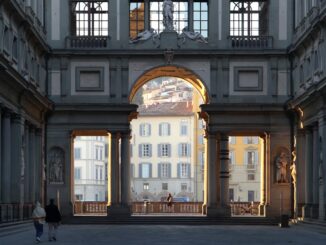
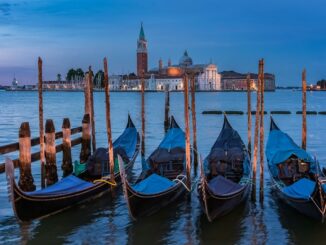
when you arrive to see Florence in 1 day, you will find that everything will be more expensive in the shops of its central quarters, as well as in restaurants and bars (in Italy they replace the usual cafes). Exactly the same picture prevails in the centers of Rome and Venice, Milan and Naples.
Therefore, you should not focus on prices in tourist areas – it can be very expensive there! For example, a shop near the Basilica of San Lorenzo in Florence sells at prices about 2 times higher than the standard supermarket chain Conad.
But that’s okay – there will be an incentive to look for where locals buy and eat. However, now we will tell you in more detail…
Food Prices
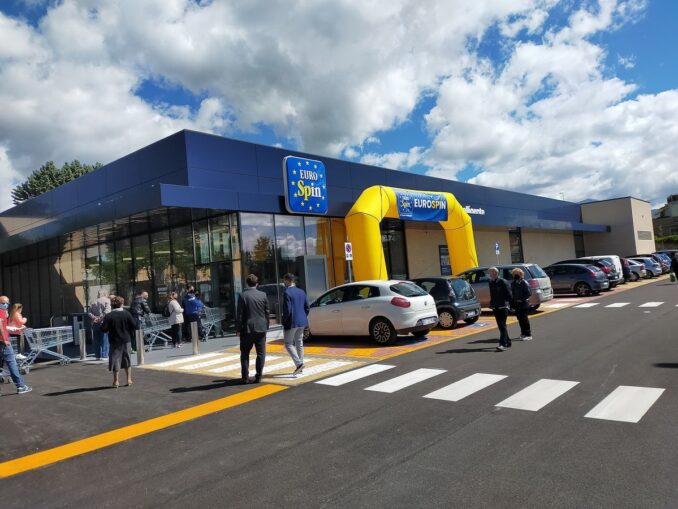
We emphasize once again that they are very pleasant. If we start from large hypermarkets and supermarkets, there are plenty of popular chains in Europe. We especially recommend: Conad and EuroSpin, Lidl.
Baked bread, ciabatta and baguettes, rolls are not cheap. Yes, factory-cut loaves will cost from 1.3 euros per joke (it may be cheaper for the promotion).
In hypermarkets, milk costs from €1 and more. But you can also find 0.9 per liter – and not necessarily Italian: on the contrary, Austrian or German. Sour cream is not sold in Italy – yoghurts of varying degrees of consistency are used.
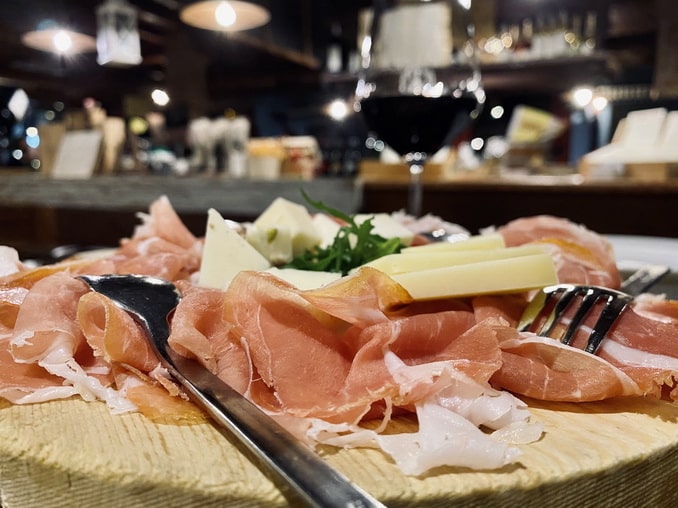
Sausages are expensive and not always tasty: salami costs from € 18-20 per kg and it’s still inexpensive! Dried meat like the famous prosciutto sells for €22-25 per kilogram and above.
Pasta is extremely cheap in Italy. 0.5 kg of standard Italian spaghetti will cost €0.5-0.6 . Equally, even in 2026, olive oil, an essential ingredient for pasta, will not ruin. A liter of this product is directly pressed, that is, “extra virgin” costs from €7-8.
Drinking water in 2-liter bottles is sold at almost standard prices of €0.4-0.7 per unit.
Cheese
This product is relatively cheap! The “regular” type of Maasdam can be purchased at a price starting from €8 per kg, and it will not contain any preservatives. Hard cheese like Parmesan in Italy costs from €12-15 per kg, depending on the aging time. But again, keep an eye out for promotions: discounts can be up to 25-30%.
Soft cheese, so beloved by Russians: brie or camembert made in France, is sometimes sold for €9-12 per kg. A standard 200 grams will cost about €2.5-3.
Italian-made cheeses are more expensive, but mozzarella can be bought cheaply during one of the many promotions. Of course, they don’t throw cheese around in specialty shops – everything is much more expensive.
Vegetables and fruits
Tomatoes cost from 2 to €4 per kilogram, cucumbers about €2-3, all kinds of salads like arugula about € 1 per 100 grams.
Locally produced strawberries are very inexpensive: €3-3.5 per kg already in May, apple prices start from €1.5-2.
Alcohol
How much does wine cost in Italy? Much cheaper than the average in Europe.
A bottle of Chianti, a very specific, albeit famous wine, can be purchased at a price starting from €4-5 (according to the promotion). The standard price is €5-7. All kinds of sparkling wines like prosecco, asti, and spumante in supermarkets cost from €5-6 for a 0.75-liter container.
Prices for premium Italian spirits: Italy’s most expensive wine, Brunello di Montalcino, as well as Barolo, Valpolicella and a number of others, are also unlikely to impress those who have carefully studied the assortment of alcohol departments in Russian supermarkets.
Real Brunello wine costs from €35-40. Depending on the year of harvest, Barolo and Valpolicella can be purchased from €8-15 per bottle.
In general, when traveling to Italy, you need to take a lot of euros with you (in cash or by card). Since it will be difficult for you to spend the night on 100 € (more on this below), and to really mess around.
Speaking of which, when do clothes sales take place in Italy?
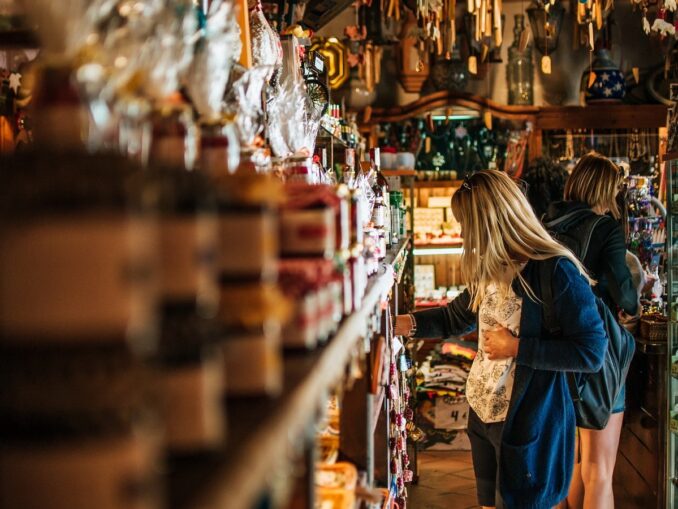
Bars and…
The most common pizza of the brand “Margarita” can be ordered for €7, other variations (capricious, etc.) are more expensive. A serving of pasta costs about the same, depending on the filling. The cafe also sells pizza in chunks: from €2. Which tourists, even Western European ones, are very happy about.
You can also buy pizza to take away, but don’t count on any special savings. It is worth saving on drinks, because they are very expensive in Italian cafes.
A liter bottle of water costs from €2.5-3, a standard bottle of beer (0.33 liters) – from €5.
Ice Cream
Or Gelato in Italy is simply delicious. This is not ice cream in the usual sense, it tastes much better.
Gelato melts noticeably slower than regular ice cream, and therefore you should not be afraid of the huge multicolored cap above the small cone. Even the children manage to eat it without getting their clothes dirty.
The portions vary depending on the size and tourist demand of the city. In Florence, somewhere a hundred meters from the Duomo, they will put only one balloon in a tube for 2 – €2.5. And they will also get greedy!
Venice does the same thing: there are many tourists, and there is always a buyer.
But in smaller cities: Treviso, Siena and others, gelato is much tastier. And the sellers are loading cups and cones from the bottom of their hearts.
The price range is basically standard: €2, 2.5, 3, 3.5 and 4, depending on the size. A €4 portion will put you out of action for a long time.
Souvenirs
Well-known magnets in 2026 cost about €3-4 per piece. You can buy four magnets for €10-11.
Souvenir calendars cost from €1. A T-shirt with the inscription “Italy” can be purchased for €6-10, and a hoodie for 15!
Stuffed dolls cost from €12-15, and some of them are of national production, not “Made in China”. Porcelain collectible dolls will cost at least €45-50 per piece.
Original (Italian-made) masks in Venice cost from €20 if they are miniature in size. And from €80-120 – those that can be worn on the face.
Read about how much Murano glass costs in Italy in a separate article!
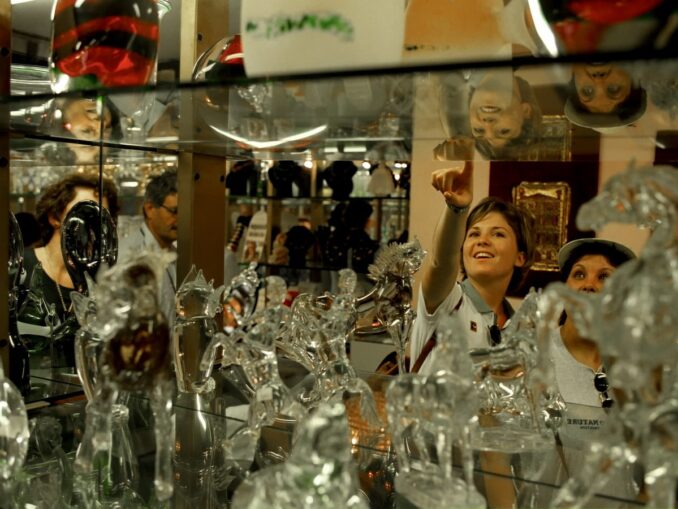
Hand-painted tableware is sold for €20-25 per saucer, up to €45-60 per plate the size of a dish. Leather goods in Italy (you should definitely get them if you go to see Tuscany) will be available if you are willing to pay a mere trifle: from €20 for a handbag for a child and from € 40-60 for a handbag for a lady.
The price of leather backpacks, briefcases and other business bags with multiple compartments easily exceeds the level of 130-150 euros.
Hotels
Prices for short-term (daily) rental housing in Italy have risen especially significantly in the post-pandemic period. They have grown even more since 2022.
So now, even if you travel to Rome in January, after the New Year holidays, you are unlikely to be able to rent a room in a (good) hotel for two for less than €70-80 per night. Unless, of course, this hotel is located not next to the Termini train station, but in a more beautiful area.
Gasoline and…
Car fuel prices in Italy are high. And they can claim prizes all over Western Europe!
In neighboring Austria, for example, it will be cheaper to refuel even on motorways. And if you take a chance and take a provincial road, you can save a lot of money.
We do not recommend refueling on Italian motorways (this is where the speed limit is 130 km/h). Since the price of a liter at punps in 2026 sometimes exceeds €2.2 per liter.
Meals in cafes at gas stations will also cost a pretty penny! You should not expect to buy a cup of coffee (and they are mostly small here – espresso micro cups are used) for less than € 3-4, and you will have to pay at least 6 for a sandwich.
On the roads of Strada provinciale, that is, with a limit of 90 km/h, and especially outside the industrial zones of large cities, you can count on more humane price tags.
There are petrol stations on the free routes at a price of €1.9 per liter. And at the exit from Florence (by Italian standards, a large city), there are five gas stations in a row with prices of about €2.
It is clear that fuel costs more within cities. And remember: gasoline here is called Senza piombo, which literally means “lead-free.” And diesel fuel is simply designated Diesel.
Toll Roads
They are an expensive treat in Italy. Yes, it provides high speed (130 and above – the signs warn about cameras) movement, but it is also ruinous.
For example, you can get from Milan to Rome (570 km) by car in 6 hours, and you will have to pay about €45 for toll roads. The trip from the capital of Lombardy to Venice (270 km) will take 3.5 hours, and the road toll will be ~€30.
All of the above applies to both own and, of course, rented vehicles. However, if you rent a subcompact, you can save at least on gasoline. If you drive a lot, you’ll get a decent amount!
Taking alternative free routes through the cities has its drawbacks. For example: 50-90 km/h limit, speed cameras. The latter, however, usually hang at the entrance and exit to (from) the settlement. And the warning sign is always present!
Excursions
If you can sometimes save a lot on visiting a museum (discounts on family visits, free admission to state museums on the first Sundays of the month), then you can count on discounts on excursions in English only during the off-season months. Standard fares are sometimes so high that tourists go to wander around Rome and Venice, Milan and Florence without any guide, but for free.
Naturally, there are exceptions. And we recommend that you monitor them and look for them on the website of such a popular aggregator as Viator!
- How safe is it to travel alone in Italy
- Interesting Italian traditions
- Which month is the best to visit Rome
© Eurotraveler